Community Research Report 2025/26
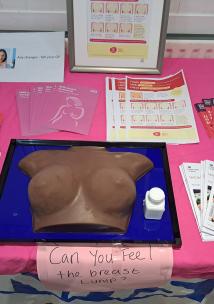
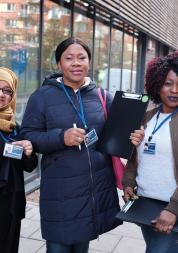
Healthwatch Islington worked with Diverse Communities Health Voice (DCHV) partners to deliver a programme of health information workshops for communities experiencing health inequalities. The workshops brought residents together with clinicians and health professionals in trusted community settings to discuss topics including cancer screening, menopause, mental health, diabetes, neurodiversity, sexual health and rights and entitlements to healthcare.
The programme builds on three years of Healthwatch Islington’s community research with DCHV partners, moving from listening to residents’ experiences to creating trusted spaces where residents and clinicians can learn from each other. This year, the model has become more embedded, generating richer conversations, stronger engagement with preventative health and practical insights that are being taken back into clinical practice.
Summary
This report explores the impact of the Community Research and Support programme during 2025/26.
The project was developed to improve access to health information and support for residents who can face barriers to accessing services, information and preventative healthcare. Workshops were delivered in community settings with language support and focused on prevention, early intervention and building confidence to access care.
The report includes:
- Feedback from over 400 workshop participants
- Case studies from community organisations and residents
- Reflections from participating clinicians and health professionals
- Findings around cancer screening, menopause support, mental health, and other key health topics
- Recommendations for future community-based health engagement work
Key findings
- 493 residents attended workshops across the programme.
- 100% of participants said the information was either helpful or partially helpful.
- Across the programme, the workshops helped participants feel more confident about taking part in breast and bowel cancer screening. The menopause sessions also had a clear impact, with most women saying they had gained a better understanding of the support available.
-
Clinicians involved in the project described gaining greater insight into the experiences and needs of underserved communities and taking this back into their clinical practice