Building a Physical Activity Programme Around Community Need
Many older men from Horn of Africa communities face barriers to accessing physical activity that feels culturally relevant and designed around their needs.

For many older men from Somali, Eritrean and wider Horn of Africa communities, mainstream physical activity programmes do not always feel accessible, culturally relevant or designed around the realities of daily life. This can become an even greater barrier for people living with long-term conditions or recovering from cancer treatment.

A partnership between Healthwatch Islington, Islington Somali Community, Eritrean Community in the UK, Active Spaces and the North Central London Cancer Alliance set out to address that gap through a culturally tailored physical activity programme designed specifically with local communities.

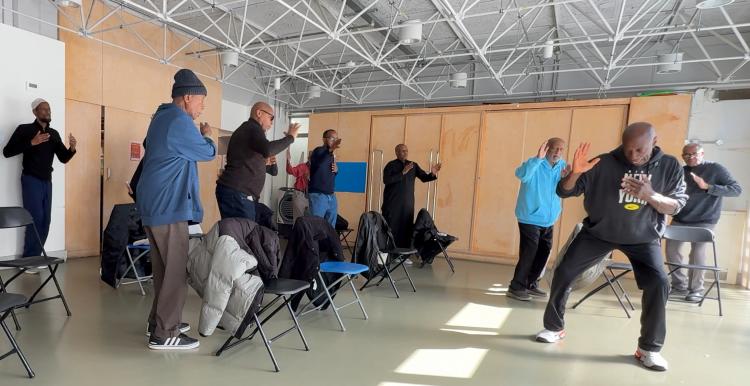
Rather than asking residents to adapt to existing services, the project focused on adapting services around the community itself. Sessions were delivered in trusted local spaces, timed around mosque prayer schedules and shaped directly by participant feedback. At the Andover Community Centre programme, participants often walked together from the mosque to the class, helping create a sense of routine, familiarity and encouragement.
 
The programme combined physical activity, health information and personalised support. Across the project, 43 residents took part in workshops and exercise sessions, including at least 16 people living with and beyond cancer.
The project included:
  • Weekly gentle exercise and strength and balance sessions at Andover Community Centre
  • A six-week pilot exercise programme at Holloway Neighbourhood Group
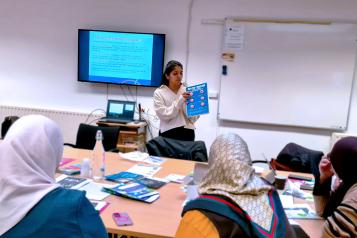
  • Culturally tailored health information workshops
  • One-to-one support helping residents identify suitable physical activity opportunities

Participants spoke about feeling less isolated, more confident leaving the house and more motivated to stay active. Several described how the sessions helped them build routines again after periods of inactivity linked to illness, treatment or low mood.

“After I was diagnosed with prostate cancer, I became inactive and stressed. Since I started attending the exercise class, I have noticed that my lifestyle and mood has changed."

- Somali resident
The project also demonstrated the importance of flexibility and co-design when working with underserved communities. Early feedback showed that the original chair yoga model was not the right fit for participants, leading the programme to shift towards a gentler strength and balance approach that better reflected community preference and need.
The programme also achieved strong engagement and retention levels:
  • 84% of participants reported a big increase in physical activity
  • 97% reported feeling more mobile
  • 97% reported feeling less stressed
  • 100% said the sessions felt suitable for people new to exercise or managing mobility difficulties

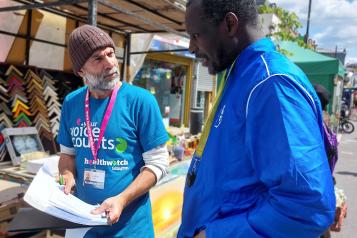
The project highlighted the importance of working through trusted community organisations and familiar communication channels. Partners found that residents were more likely to engage through existing WhatsApp groups, word of mouth and community spaces than through formal referral pathways alone.
Framing the sessions around long-term conditions and staying active, rather than only around cancer, also helped reduce barriers to participation and made the sessions feel more approachable for some residents.
Following strong attendance and positive participant feedback, Active Spaces committed funding to continue the Andover Community Centre class through to March 2027, embedding the programme within Islington’s wider physical activity offer beyond the original pilot period.
The project provides an example of how community-led, culturally responsive approaches can help reduce barriers to physical activity, strengthen engagement with underserved groups and support longer-term health and wellbeing outcomes.