Vaccinations: having difficult conversations is important
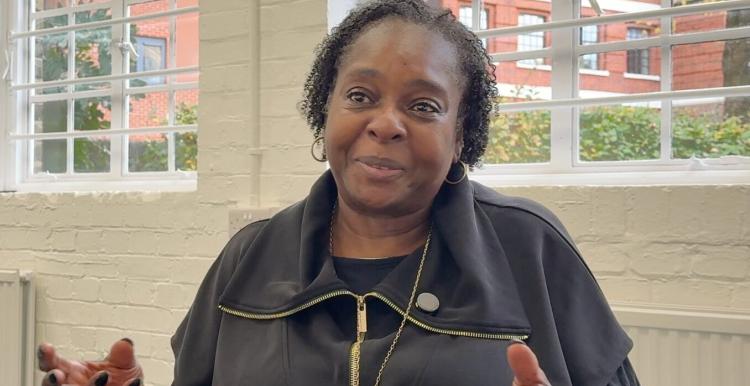
Some people were so adamant about their views! We had to remind people to be respectful of each other’s opinions. Immunisations was the most charged and volatile of the conversations.
Our Black Health workshops are designed to give residents the information they need to take charge of their own health. We're working with communities that, for various reasons, don't have easy access to reliable information.
Choices, a not-for-profit organisation based at Caxton House Community Centre in Archway, worked with us on this project. Choices understood that workshop presenters needed more than just expertise. They needed to be able to inspire the trust of the Black African and Caribbean audience. They invited Dr. Stacey Bryan, Chair of the British Caribbean Doctors and Dentists Association, to lead their immunisation workshop.
Vaccination was a challenging topic
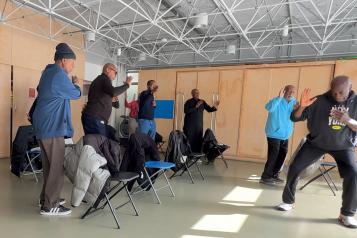
19 residents participated in the immunisations workshop. It was clear from the group chats that many people were coming with negative opinions about vaccination. Sheri Lawal, the project lead at Choices, told us that some residents were angry that the topic had even been brought to the table for discussion, “residents were saying to us, ‘I am not prepared to listen and not prepared to hear what you have to say’”.
The workshop covered flu vaccinations, COVID booster information, and how to access vaccinations via GP surgeries, pharmacies, and walk-in clinics. Signposting and support was offered to those who needed help booking appointments.
The GP communicated the benefits and safety of vaccines in an easy-to-understand, reassuring way. She even threw in some funny stories to put people at ease. She was also very patient and answered everyone’s questions as fully as she could. The discussions highlighted concerns about vaccination that future public health campaigns should consider.
What concerns need to be addressed?
- There is a lack of trust in the NHS: Much of the distrust is rooted in the COVID-19 pandemic and the fact that Black and minority ethnic communities suffered higher rates of infection, hospitalisation, and death.
- There is a belief that the Covid vaccine has not been well tested
- There are worries about a link between the Covid vaccine and Long Covid
- Vaccine fatigue: The model of taking the vaccine every year is not appealing, particularly when the community is worried about side effects.
“Whilst I took the COVID-19 vaccine and the booster two times, I was not prepared to continue taking more and more vaccines. I find the constant pressure to take vaccines without informing the public of any side effects is extremely dangerous.”
The impact of the workshop
Despite the charged nature of some of the conversations, the main outcome of the workshop was that residents were more open to the discussion around vaccinations. In the words of the project lead, “It did open their minds, even for people who had lost family during Covid. We often had to pose the question to them, ‘Isn’t it better to take it and have some immunity than not taking it at all?’”
16 of the 19 attendees told us they felt more confident about accessing reliable information about vaccinations because of the workshop.
One participant's journey
J experienced deep personal loss during the pandemic. Close friends and family members passed away from COVID-19. These painful experiences left her unconvinced about vaccination. Despite widespread messaging encouraging people to get the Covid jab, J didn't change her mind. For her, the topic of immunisation brought up grief and mistrust.
When she attended the immunisation workshop, she was expecting to feel judged for her opinions, but Choices, as the hosting organisation, created a safe and respectful space where all views were welcomed. They reassured her that it was okay to have her own opinion about the vaccine and that asking questions and expressing concerns was valuable to everyone. This helped J feel listened to rather than pressured.
As a result, she engaged with the discussion more fully. Other people agreed with her view as well. By the end of the workshop, she said she felt more confident that she could have an ongoing conversation about immunisation without being judged.
Even though she did not immediately decide to have the vaccine, she left with a clearer understanding of how vaccines work, the role they play in protecting communities, and the importance of making an informed choice rather than one rooted only in fear or past experiences. She left the workshop happy with the session and willing to attend again in the future.
Find out more about the Black Health Workshops
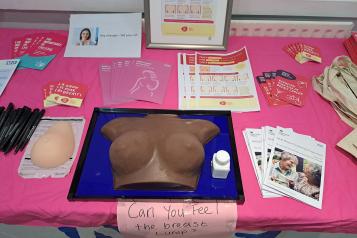
Our partners, Choices and Islington Somali Community, delivered 11 workshops attended by 205 residents in total. Three workshops covered immunisation, which was the main focus of the project. We also hosted workshops on cancer awareness, winter wellness, mental health, the menopause and women's health, special educational needs, diabetes and hypertension. Clinicians and other expert partners presented. All participants found the workshop information helpful (200) or partially helpful (5).
Read the report